
Self-Defense in Healthcare, Part 3: Fair Analysis of the Employee's Actions
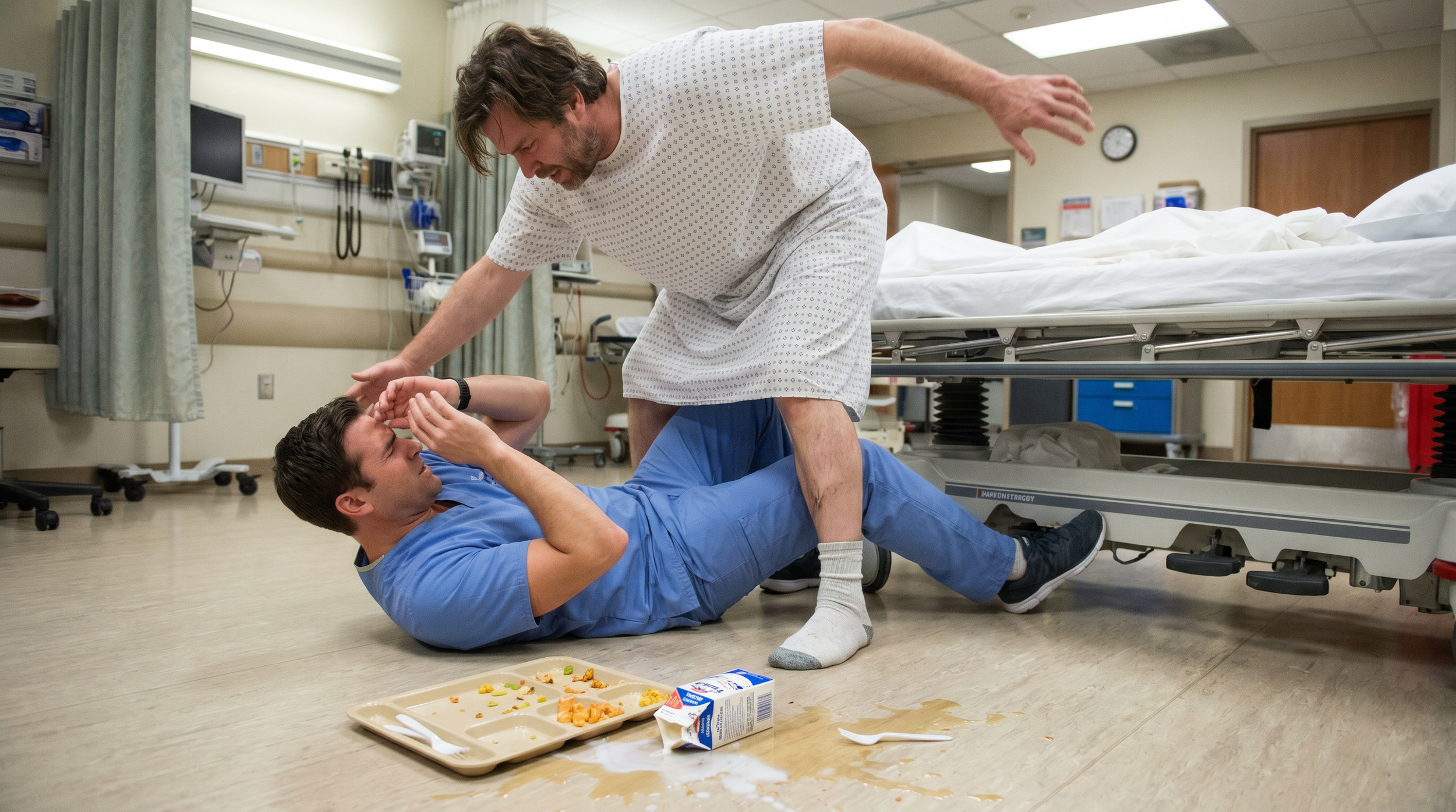
Let's say the incident has happened. The patient attacked the nurse (or tech, CNA, doctor, etc.), they fought back, everybody is being taken care of, and it's been a day since the incident.
The investigation and analysis of the event must be thorough and fair. When considering the the employee's perspective, the below questions should strongly be considered.
Is the caregiver physically injured and receiving care?
What is the caregiver's current psychological state?
Has the caregiver been offered immediate psychological first aid?
Was the caregiver acting within the scope of their employment at the time of the incident?
Is the caregiver being treated as a witness and subject of support — not as a suspect?
Has the caregiver been clearly told what the investigation process will look like?
Was anyone physically harmed — caregiver, patient, visitor, or bystander?
What type of force was used (blocking, restraining, striking)?
When and where exactly did the incident occur (unit, time of day, staffing context)?
Were there witnesses present? Have they been identified and preserved?
Is video surveillance coverage available for the area and has it been saved for evidence and further analysis?
Is there body-worn camera footage available and has it been saved for evidence and further analysis?
Was an emergency response activated — and did it arrive in time?
Was there an objectively reasonable belief that bodily harm was imminent?
Was the threat directed at the caregiver, a colleague, another patient, or a visitor?
Was the threat verbal only, or had it escalated to physical contact or a weapon (even an improvised weapon)?
Was the level of force used proportionate to the threat perceived?
Did the use of force cease once the threat was neutralized?
Was the caregiver trained in de-escalation techniques?
Was the caregiver trained in recognizing when de-escalation has failed and a physical response may be warranted?
Had the caregiver received training in defensive techniques or breakaway techniques? If so, how often did they receive the training?
When was the caregiver's last violence prevention training — was it adequate for this clinical environment?
Did the training explicitly address what constitutes an appropriate, lawful defensive response?
Was the caregiver working alone, understaffed, or in an isolated area at the time?
Was there a safe and realistic path of retreat available to the caregiver?
Was the caregiver physically cornered, restrained, or otherwise unable to withdraw?
Was withdrawal attempted — and if so, is this corroborated by witnesses or video?
Was calling for help a realistic option given the speed of the escalation?
If the caregiver did not attempt retreat, can they explain why — and is that explanation plausible in context?
Did the caregiver intend to use force, or was it a reflexive, unplanned response?
Was the caregiver aware at the time that alternatives to physical force were available?
Did the caregiver consciously choose force despite knowing it was unnecessary?
Did the caregiver express any intent to harm the patient/visitor prior to or after the incident?
Is the caregiver's account of events internally consistent — and is it corroborated by available evidence?
Now, to tee up Part 4 with a question:
Is the organization applying the same scrutiny to its own failures as it is to the caregiver's actions?