
Self-Defense in Healthcare Part 5: How to Stay Out of the Courtroom
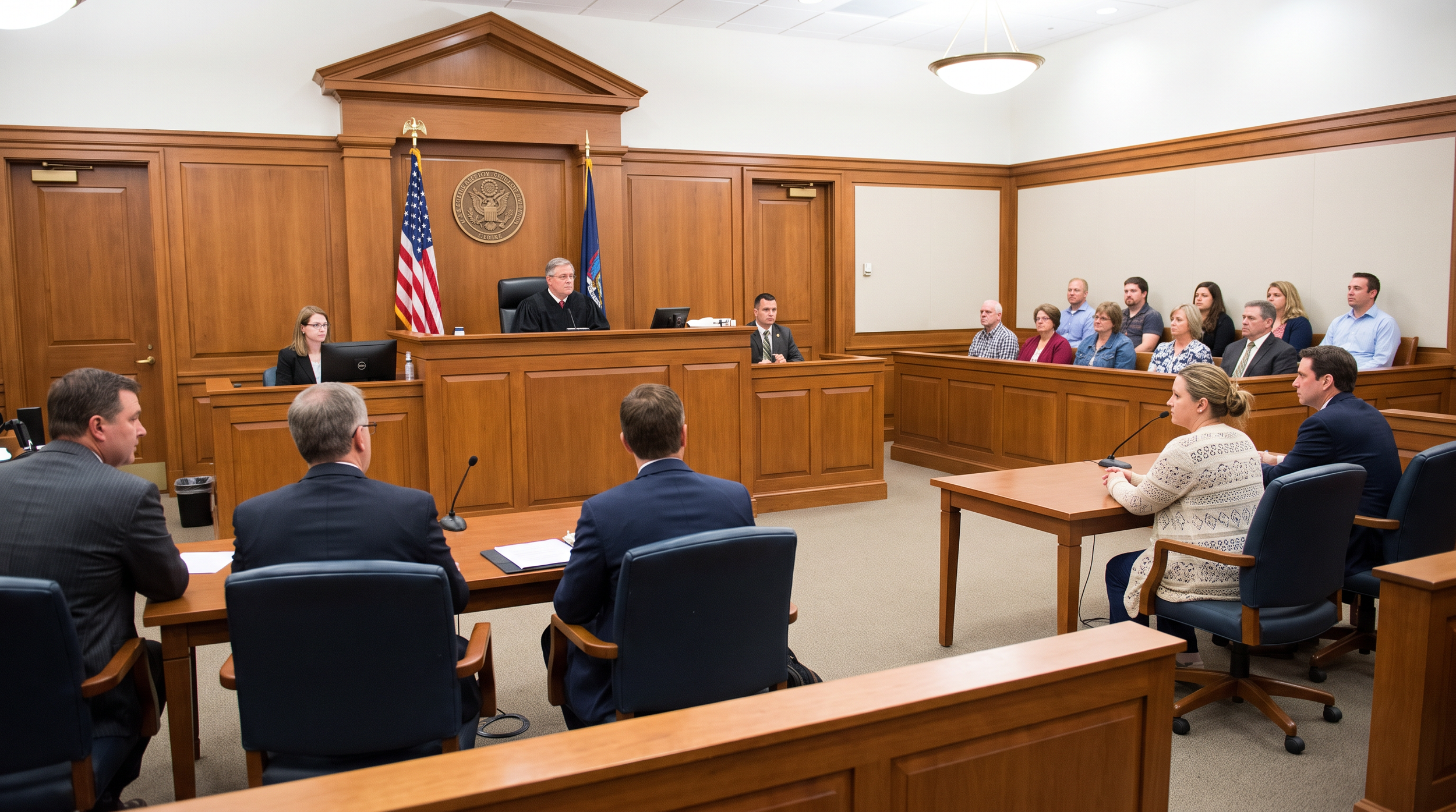
All of the Self-Defense newsletter editions have led up to this point; how to avoid legal problems after a self-defense event in the healthcare setting. (If you missed them, go back and check them out.)
The healthcare employer should ensure the investigation is thorough and scrutinizes the organization just as much as, if not more than, the employee involved. And they should include experts in use of force or self-defense, as healthcare leaders are not the experts in this area. Yes, that means you might have to hire an outside consultant.
If the organization fell short, own it - and say so directly to the employee involved.
Communicate with the affected employee - you'll be surprised how much simple communication can assuage fears and decrease the likelihood of a future civil lawsuit. Tell them where you are at in the investigative process. If you place them on administrative leave, tell them it is not punitive.
If hospitals provide violence prevention and self-defense training, they should allow for any and all techniques to get out of a violent situation. Especially in a true self-defense situation, any technique should be allowed to be used, even those not taught in the violence prevention education.
So how do you build accountability without punishing justified self-defense? Just Culture.
What is Just Culture? It is a structured model which helps to determine where the accountability lies between an individual and an organization after a safety event. Could a decision guide like this keep all parties out of the courtroom? Absolutely.
How could a Just Culture styled algorithm help in situations where violence is met with violence?
It utilizes a standardized tool.
It decreases variation in investigations.
It acts as a forcing function to ask all the pertinent investigation questions. (Editions 3 and 4 of this newsletter contain the exhaustive list of questions that should be considered from the aspect of the involved employee and the organization.)
It standardizes fairness for both the employee and the organization.
It guides potential immediate and future actions to consider for both the employee and the organization.
It decreases risk.
Are you interested in seeing how a decision guide could work in your organization? I'm piloting the Violent Encounter Decision Guide with a small group of healthcare leaders and safety professionals before a wider release. Early access, ~ 30 minutes of your time, and your feedback shapes the final tool. Contact me through the website and I'll walk you through it.
Disclaimer: This is not legal advice.